“A lifestyle is what you pay for; a life is what pays you.” – Thomas Leonard
In the gritty world of construction during the 1970s and early 1980s, I witnessed a pattern that repeated itself with alarming consistency. It wasn’t just about building structures—it was about how people built their lives, only to watch them crumble under the weight of their own choices. As a general contractor, I relied on subcontractors for everything from plumbing to electrical work. These were hardworking folks who started out hungry, offering competitive prices and top-notch quality. Often, they’d roll up their sleeves and do the job themselves, ensuring every detail was spot-on.
But success has a funny way of changing people. As their businesses grew—thanks in part to steady work from folks like me—their prices began to climb. At first, it was subtle: a small hike here, a justified increase there. Then the quality started slipping. Jobs that once gleamed with pride now showed signs of haste—corners cut, materials skimped. Eventually, their bids became so inflated and their work so unreliable that I had no choice but to move on. Some subcontractors burned out in a year or two. One held on for a decade, but in the end, they all fell victim to the same cycle.
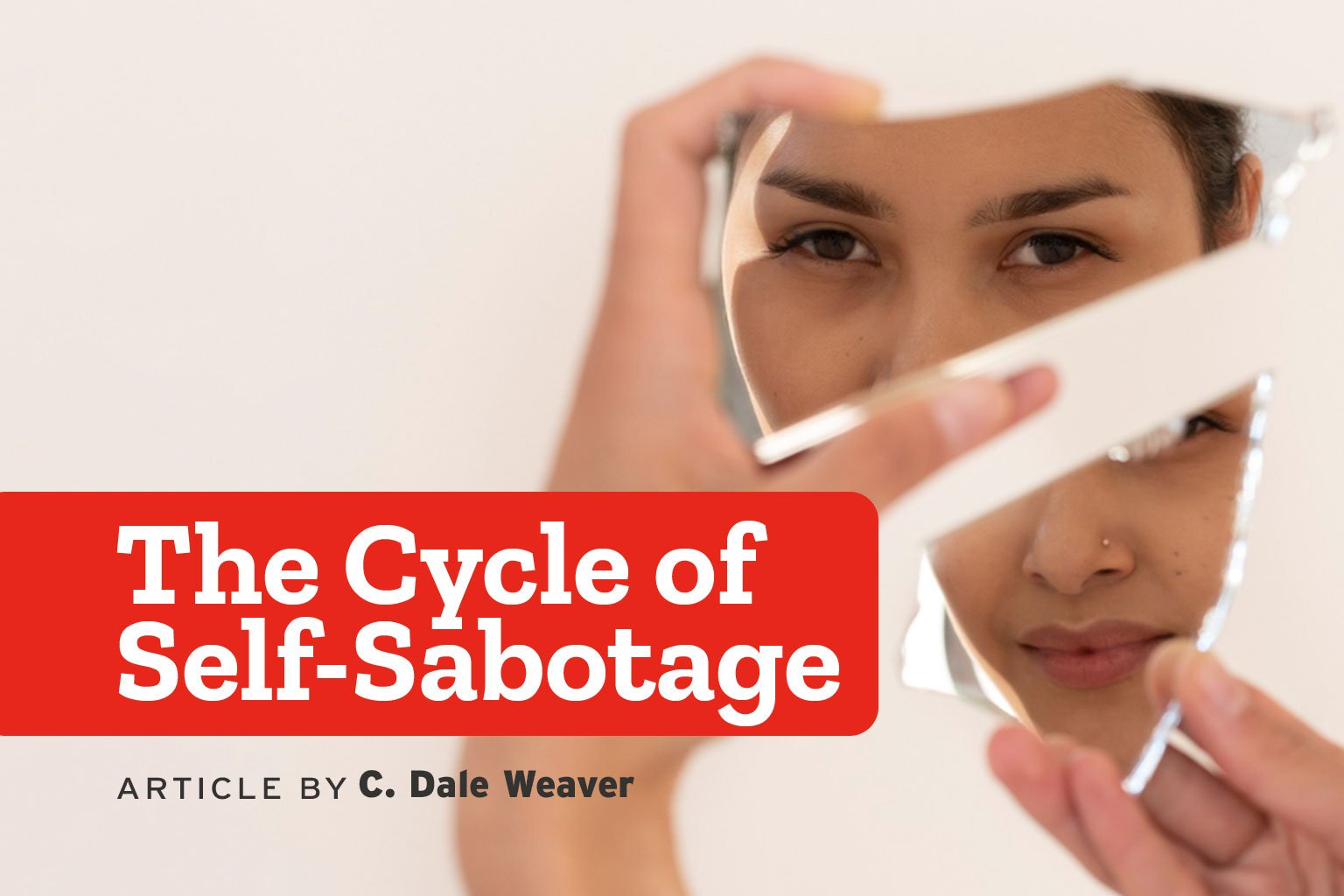
What caused this downfall? It wasn’t a lack of skill or opportunity. It was something more insidious: the trap of self-sabotage through unchecked indulgence. Once the money started flowing, these subcontractors upgraded their lifestyles. New trucks appeared in their driveways, shiny and oversized. Offices expanded, complete with unnecessary frills. They hired more employees, but supervision waned. Costs spiraled out of control, and the focus shifted from delivering value to sustaining an image of success. I saw it happen time and again, and here’s the kicker—I went through it myself, not once, but three times.
My first brush with this cycle came in the late 1970s. Fresh off a string of profitable projects, I found myself flush with cash. Instead of reinvesting wisely, I splurged: a bigger office, fancier equipment, and yes, that classic trap of lifestyle inflation. Bills piled up, and before I knew it, I was juggling debts. That’s when I adopted a strategy that’s now popularized in financial advice circles: paying off the smallest bills first to build momentum toward the larger ones. It worked—I clawed my way out. But the lesson didn’t stick immediately. Twice more, I repeated the pattern, each time vowing it would be the last.
Reflecting on these experiences, I realized this wasn’t just about money. It was a deeper issue of self-control and, on a grander scale, failure avoidance. Human nature pulls us toward immediate gratification, especially when success feels within reach. We start strong, driven by necessity and ambition. But as prosperity arrives, complacency sets in. We loosen our grip on the reins, allowing small indulgences to snowball into major pitfalls. In construction, this manifested as shoddy work and lost clients. In life, it can lead to ruined relationships, health crises, or financial ruin.
This cycle isn’t unique to the building trade. Think about it in modern terms: A young entrepreneur launches a startup, lands their first big client, and suddenly they’re leasing a luxury office and hiring a team before they’re ready. Or a teen gets their first paycheck from a part-time job and blows it on gadgets and trends, setting the stage for debt before they’ve even graduated. The pattern is the same: Success breeds overconfidence, which breeds excess, which breeds failure.
To break this cycle, we need a mindset shift toward intentional failure avoidance. It’s not about denying yourself joy—it’s about safeguarding your future. Start by recognizing the signs: Are your expenses outpacing your income? Is quality suffering in your work or relationships? Are you chasing status symbols instead of sustainable growth? From there, implement practical guardrails. Track your spending meticulously. Set aside a portion of every windfall for savings or debt reduction. Surround yourself with accountability—mentors, apps, or even a simple journal to log decisions.
In my book, Avoid the Trap: A Guide for Teens and Young Adults to Stay on Track, I expand on this through a cross-table of bad choices and their consequences (see Appendix A). What began as a failed website, TrapFree.com, has evolved into this guide, designed to help young people sidestep these very traps before they take root. The construction anecdotes aren’t just stories—they’re cautionary tales that illustrate how small lapses in self-discipline can derail even the most promising paths.
If there’s one takeaway from my decades in the trenches, it’s this: True success isn’t about how high you climb; it’s about how well you maintain your footing. Avoid the trap of self-sabotage by choosing intention over impulse. Your future self will thank you.
For more insights like this, subscribe to the Trap-Free Newsletter at CDaleWeaver.com. And if you’re ready to dive deeper, grab a copy of Avoid the Trap today.