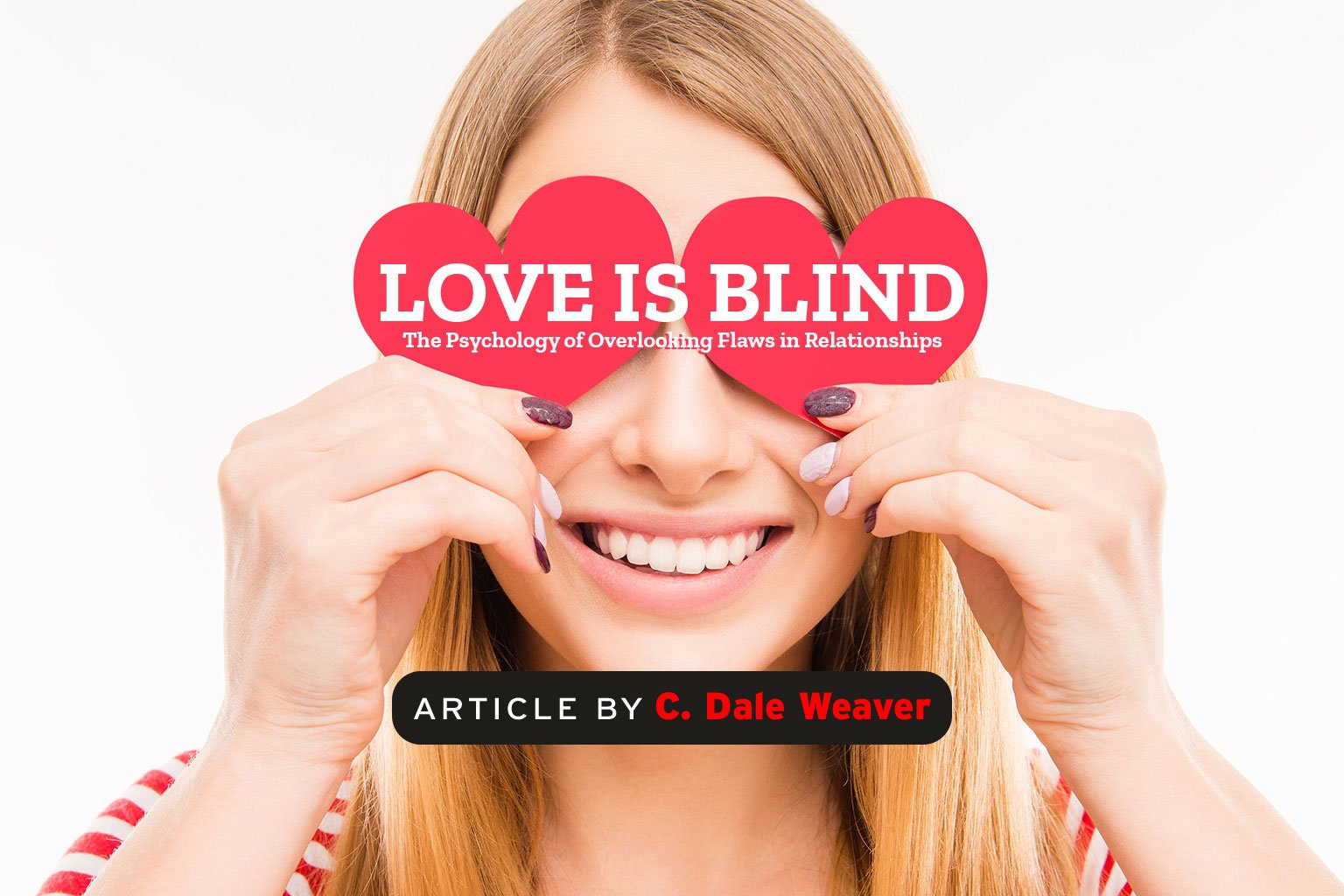
The adage “love is blind” rings true for many: in romance, we often ignore or minimize our partner’s flaws. This extends, albeit less intensely, to friendships. But is this a mere cliché, or a recognized brain process? Let’s delve into the science of positive illusions and how they foster stronger bonds.
Positive Illusions: Seeing Through Rose-Tinted Glasses
“Love is blind” describes positive illusions in relationships, where we idealize partners, viewing them more favorably than objectively warranted. This biased perception enhances satisfaction and commitment, creating a self-fulfilling prophecy: positive views elicit better behaviors, reinforcing the cycle.
In friendships, a similar positivity bias or halo effect occurs, where overall fondness overlooks minor faults. However, romance intensifies this due to emotional depth.
Neurologically, romantic love floods reward centers (ventral tegmental area, nucleus accumbens) with dopamine, while deactivating critical judgment areas (prefrontal cortex) and negative emotion hubs (amygdala). This explains flaw minimization.
Key references:
- Murray et al. (1996) in Journal of Personality and Social Psychology show illusions predict satisfaction.
- Fletcher and Kerr (2010) review idealization’s benefits.
- Fisher et al. (2005) fMRI study in Journal of Neurophysiology on love’s neural basis.
- Harvard Medical School review on suppressed critical assessments.
In essence, this “blindness” isn’t delusion but an adaptive mechanism for enduring relationships, turning potential deal-breakers into overlooked quirks, which underscores the brain’s remarkable ability to solve problems unconsciously, turning downtime into innovation.