“A lifestyle is what you pay for; a life is what pays you.” – Thomas Leonard
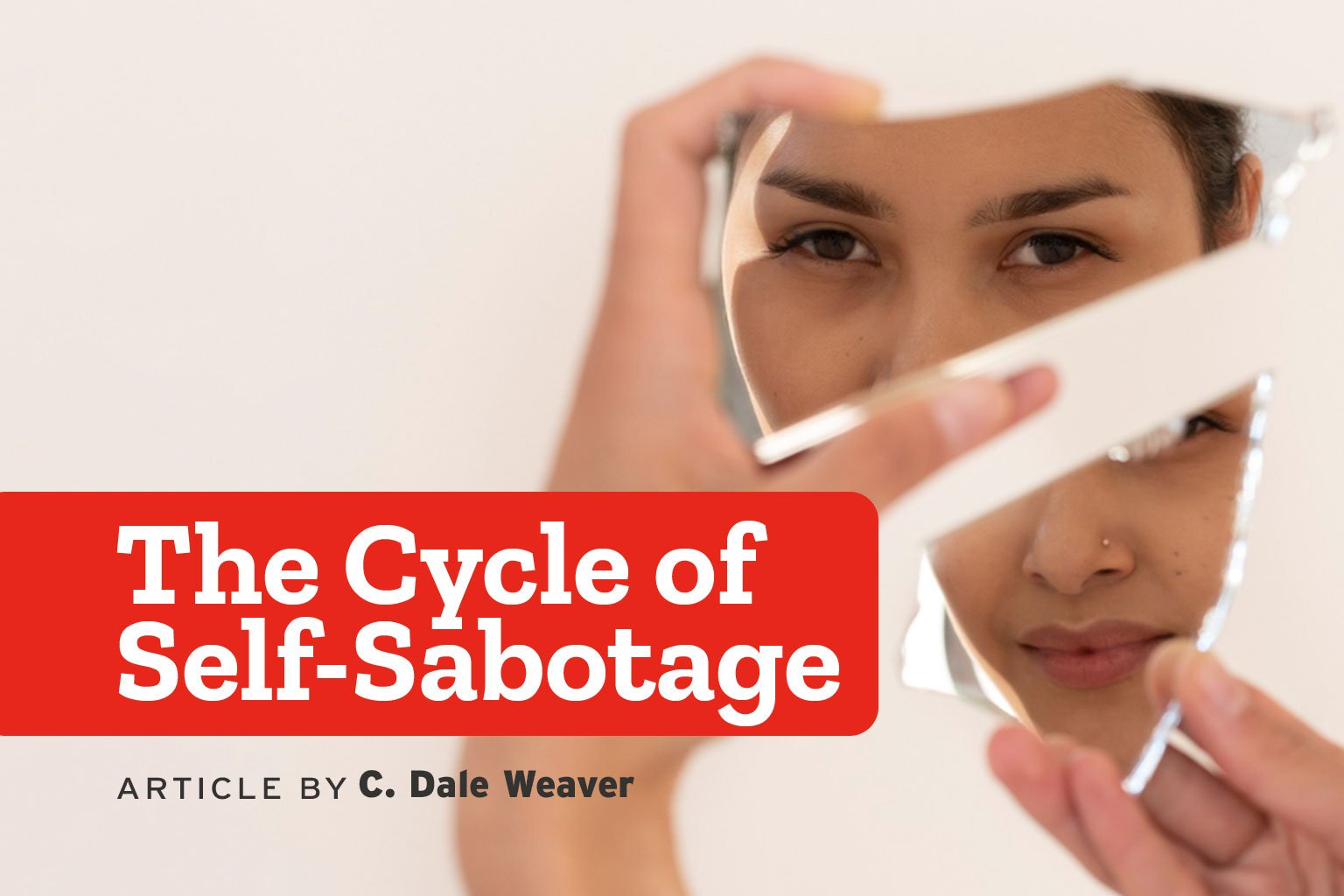
Prosperity can be a double-edged sword. In my years in the construction business during the 1970s and 1980s, I saw subcontractors rise from humble beginnings to financial comfort, only to watch them sabotage their success through unchecked spending. As detailed in the preface of Avoid the Trap: A Guide for Teens and Young Adults to Stay on Track, this cycle—starting strong, then succumbing to lifestyle upgrades like new trucks and offices—led to higher costs, poorer quality, and eventual downfall. It’s a trap I fell into myself three times, learning the hard way that managing prosperity requires vigilance to avoid the pitfalls of lifestyle inflation.
Lifestyle inflation, or “lifestyle creep,” occurs when increased income leads to escalated spending on non-essentials, often leaving people no better off financially. For young adults, this is particularly dangerous. As they enter the workforce or receive their first raises, the temptation to upgrade—from fast food to gourmet meals, basic apartments to luxury ones—can erode savings and build debt. Recent data shows young adults face higher effective inflation rates, about 0.5 percentage points above other generations in March 2024. Globally, inflation has hit Gen Z hardest, with rates 2.5 percentage points higher than for older adults during 2021-2023 peaks. In the UK, a young worker with a 4.5% wage increase might still end up £24.27 worse off weekly due to soaring costs.
This isn’t just theory—it’s backed by patterns in emerging professionals aged 19-25, where lifestyle inflation drives a shift from conventional to modern spending on transport, food, and more, reducing savings propensity. In the U.S., Gen Z’s lower savings mean they’re more vulnerable to inflation’s bite on investments and daily expenses, with 74% cutting back on spending and delaying plans like travel. The cost-of-living tops concerns for Gen Z worldwide, surpassing jobs or climate change. Even mental health suffers: In Hungary, perceived inflation links to food insecurity and depression among university students, with food insecurity mediating 39.34% of the effect.
The pitfalls extend beyond finances. As I observed in construction, prosperity without control breeds complacency, leading to consequences like debt, stress, or stalled goals—echoed in the book’s Appendix A table of bad choices. Young adults, with habits still forming, risk long-term debt burdens that affect credit scores and future milestones like homeownership.
Breaking the Cycle: Strategies for Trap-Free Prosperity
Fortunately, managing prosperity is about intentional choices, as outlined in the book’s failure avoidance framework. Here are practical steps:
- Track and Prioritize: Use apps to monitor expenses. Allocate raises wisely—e.g., 50% to savings, 30% to debt, 20% to fun—to avoid the “barely improved” trap shown in many financial models.
- Set Guardrails: Automate savings transfers and revisit budgets quarterly. Remember my 1970s debt payoff strategy: Tackle small bills first for momentum.
- Cultivate Gratitude: Focus on non-material joys to resist FOMO-driven upgrades. Surround yourself with accountable peers who value sustainability over status.
- Plan Long-Term: Build an emergency fund covering 3-6 months’ expenses. For Gen Z, this counters inflation’s outsized impact on rent, gas, and insurance.
By avoiding these pitfalls, you turn prosperity into lasting security. As the book emphasizes, it’s not about denying success—it’s about safeguarding it.
For more on failure avoidance, subscribe to the Trap-Free Newsletter at CDaleWeaver.com. And explore the full strategies in Avoid the Trap today.