“In the end, we will remember not the words of our enemies, but the silence of our friends.” – Martin Luther King Jr.
Teen years are a whirlwind of self-discovery, peer pressure, and the quest for belonging. Yet, in this formative phase, many young people stumble into social traps that can leave lasting scars. In my book, Avoid the Trap: A Guide for Teens and Young Adults to Stay on Track, Part III delves into these pitfalls, including bullying and chasing clout. These aren’t just fleeting mistakes—they’re behaviors that can derail relationships, reputation, and mental health. Drawing from real-world observations and the failure avoidance principles outlined in the book, let’s explore why teens fall into these traps and, more importantly, how to break free.
The Bullying Trap: Power Plays and Hidden Pain
Bullying isn’t new, but in today’s digital age, it’s amplified. Whether it’s physical taunts in school hallways or cyber-attacks online, the impact is profound. Statistics show that about 19% of students ages 12-18 report being bullied during the school year. For cyberbullying specifically, around 31% of teens have experienced it, with rates higher for younger teens (38.4% for ages 12-14) and vulnerable groups like LGBTQ+ youth. Shockingly, 67% of U.S. teenagers have faced some form of cyberbullying on platforms like Instagram, Snapchat, and TikTok in 2025.
Why do teens fall in? For bullies, it’s often a misguided grab for power or a way to mask insecurities—perhaps echoing cycles they’ve witnessed at home or online. Victims, meanwhile, might internalize the abuse, leading to isolation. As detailed in Trap 7 of the book, bullying erodes trust and can lead to consequences like anxiety, depression, or even self-harm. It’s a trap because it feels empowering in the moment but ultimately isolates everyone involved.
The Clout-Chasing Trap: Likes Over Life
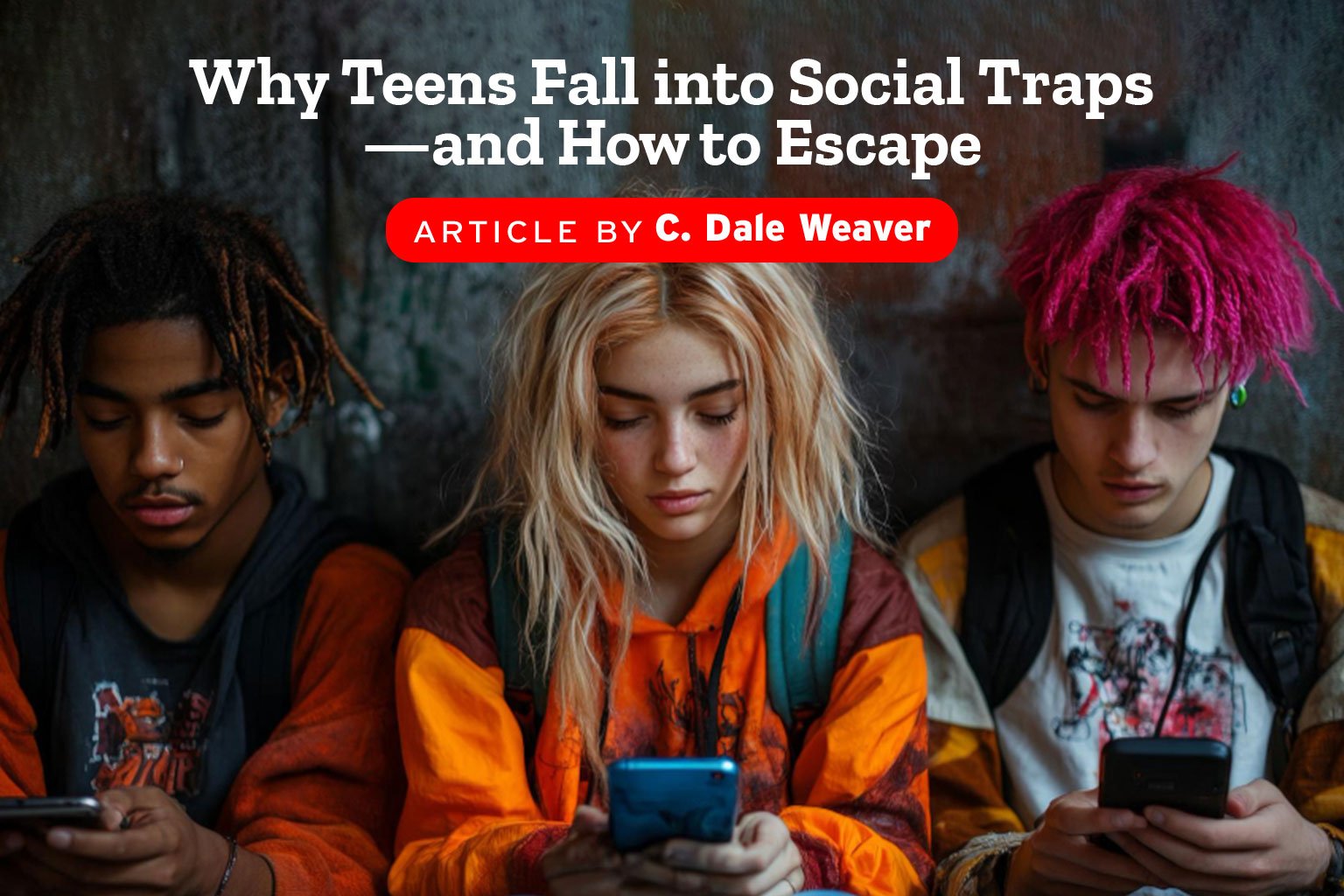
Then there’s chasing clout—the relentless pursuit of social media fame through likes, views, and viral moments. This trap, covered in Trap 10, has exploded with platforms rewarding sensationalism. Teens might post risky stunts, spread rumors, or curate perfect personas, all for that dopamine hit of validation.
The effects are insidious: It warps reality, fostering feelings of inadequacy and depression as influencers present unattainable lifestyles. Social media can lead to cyberbullying, distractions, peer pressure, and unrealistic expectations, resulting in less time for real-world activities and heightened tech addiction. In extreme cases, it encourages dangerous pursuits or spreading false information for attention, turning normal behavior into something akin to an addiction. Why fall in? The teen brain craves acceptance, and algorithms exploit that by prioritizing shock value over substance.
Escaping the Traps: Practical Steps for a Trap-Free Path
The good news? These traps are avoidable with intentional choices. Start by fostering self-awareness: Reflect on your motivations—am I posting for clout or connection? For bullying, intervene as a bystander; silence enables the cycle, as Dr. King implied. Build resilience through positive habits from Chapter 4 of the book, like empathy exercises or setting social media limits.
Real tips:
- Audit your circle: Surround yourself with uplifting friends who value authenticity over status.
- Digital detox: Use apps to track screen time and curate feeds that inspire rather than incite envy.
- Seek support: Talk to trusted adults or counselors—remember, vulnerability is strength, not weakness.
- Channel energy positively: Turn clout-chasing into creative outlets like journaling or community service, avoiding the pitfalls of Trap 6 (Social Trouble) and Trap 8 (Disrespectful Talk).
By sidestepping these social traps, you pave the way for genuine relationships and a fulfilling future. As I emphasize in the preface, failure avoidance isn’t about perfection—it’s about making informed decisions to protect your path.
For more strategies, subscribe to the Trap-Free Newsletter at CDaleWeaver.com. And dive into the full guide with Avoid the Trap today.